Breaking Boundaries: Resistance and Activism at Chemawa Indian School
Under contract with Oregon State University Press, projected publication 2027
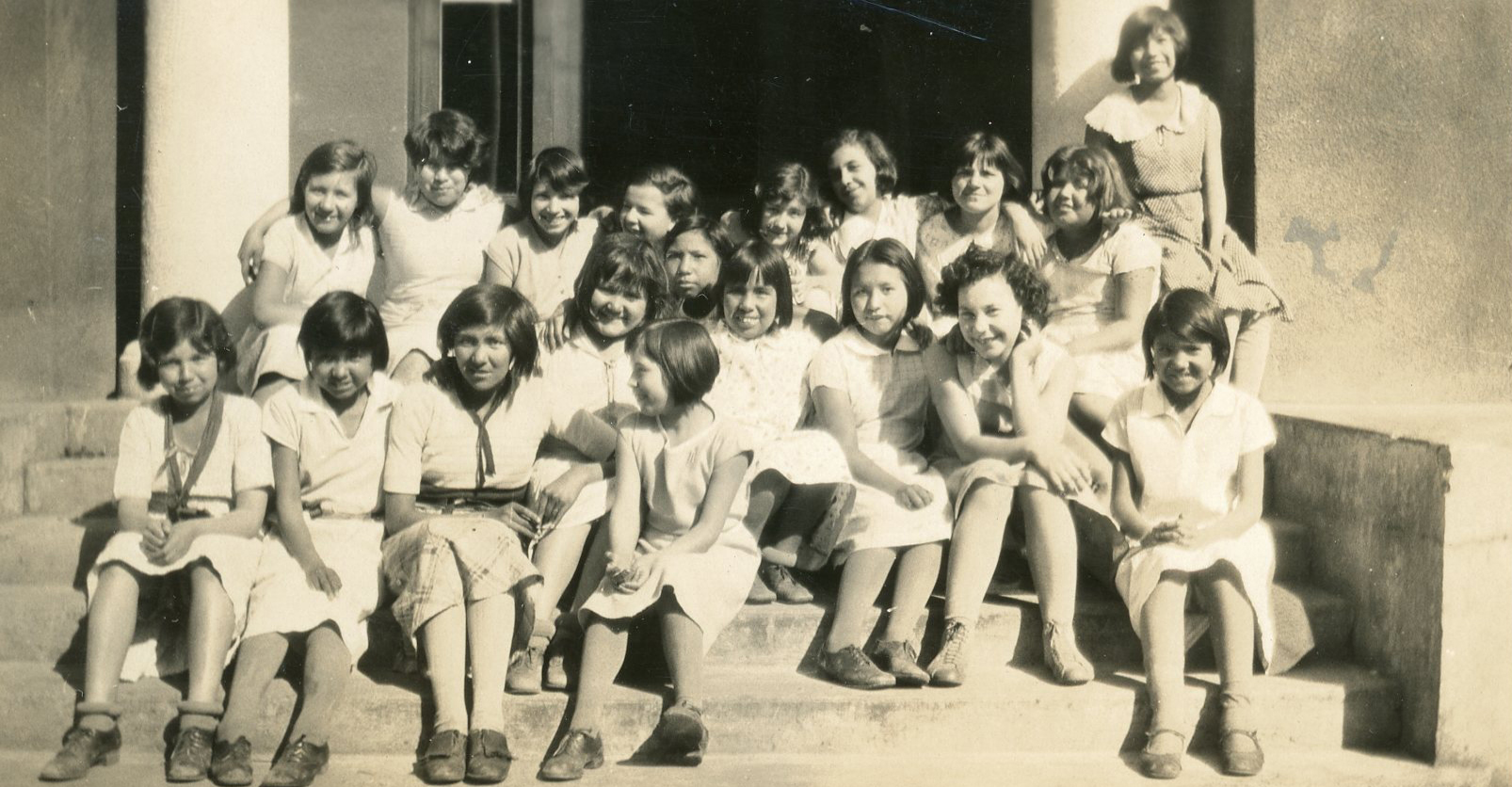
This book examines the broader meaning and significance of off-reservation Indian boarding school education in the early 1900’s and the ways in which students at one school in particular, Chemawa Indian School, engaged in self-advocacy and resistance. During this period educational reform, in which the long-time emphasis on gendered vocational education for Indigenous youth, reinforced by the settler colonial paradigm of a strict sexual division of labor, became part of a broader movement in public education nationally. This movement strongly reinforced restrictive gender roles and was philosophically justified by its proponents based on influential theories of social efficiency and social evolution of the period.
By demanding forms of education beyond the restrictive vocational curriculum and actively seeking different forms of education, students at Chemawa carved out spaces of maneuverability and access within and beyond the Chemawa campus. Students subversively negotiated the malleability of this space and used it as a launch pad for greater opportunity. Chemawa students’ resistance took two distinct forms: advocacy for choice and self-definition. Many existing stories of Indigenous youth resistance in education—including those told by David Wallace Adams, K. Tsianina Lomawaima, and Theresa McCarty—are stories of students turning away from schools. By contrast, the stories of student advocacy at Chemawa told here are examples of Indigenous youth actively seeking empowering education and resisting the colonizing, vocational education paradigm. They were resisting a restrictive vocational curriculum, not education itself.